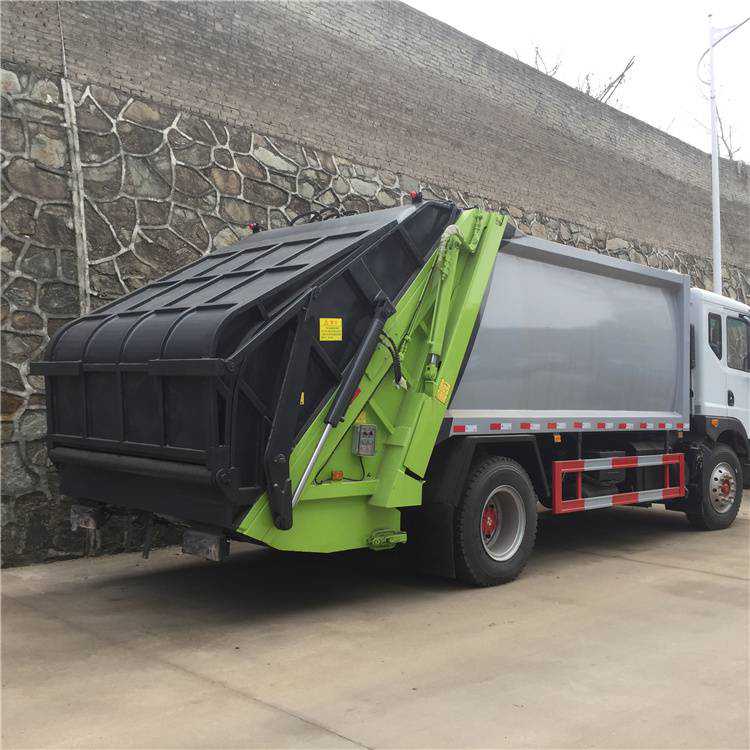
International buyers increasingly demand IEC 61508 functional safety certification for automated garbage trucks — without it, your product gets rejected at customs, faces 2-3 week delays, and loses 30-50% profit on each order. This guide shows you exactly what Middle East, European, and Southeast Asian procurement managers require for hydraulic electrical system compliance, plus step-by-step implementation timelines and real export cost breakdowns.
1. Why International Safety Standards Matter for Garbage Truck Exports
Your electric sealed bucket garbage truck is efficient. It combines hydraulic lifting tailboard, remote control handle, electrical hydraulic operating system, and mechanical locking device into one modular system. But this design creates real worker safety risks that overseas procurement managers now require you to prove are controlled.
Procurement managers at European cities, Middle Eastern municipalities, and Southeast Asian waste management companies all ask the same question before placing orders: "Does this garbage truck have IEC 61508 safety certification? What about ISO 13849?" Without these certifications, your automated garbage truck gets filtered out of bidding before evaluation even starts.
1.1 Product Design Creates Safety Risks in Automated Garbage Trucks
When remote operators press the control handle, the hydraulic tailboard lifts or lowers. If the signal misfires or system loses power, workers' hands get crushed between the tailboard and the garbage container. This is a crushing hazard.
Pressurized hydraulic fluid runs through rubber hoses at 210 bar working pressure. If a hose ruptures or the pressure relief valve fails, pressurized fluid sprays everywhere and causes severe injuries. This is a pressure system hazard.
Your PLC control system can fail unexpectedly — maybe the wireless signal gets lost, maybe power cuts out. When that happens, what stops the hydraulic tailboard from crushing garbage and workers? It needs to enter a safe state immediately. This is a control system hazard.
1.2 Global Procurement Managers Now Require IEC & ISO Certification
European cities under Machinery Directive 2006/42/EC demand CE marking backed by Notified Body certification. Notified Bodies are EU-officially-approved organizations that verify your product meets all safety requirements. This isn't optional for European entry.
Middle East importers require COC certificates that explicitly state "IEC 61508 SIL 2 compliance." One Chinese supplier shipped 10 automatic refuse compactor trucks to Riyadh port. The COC didn't mention IEC 61508. Port customs refused clearance for 20 days. The importer demanded the supplier pay €50,000 in penalties and storage fees. That was 50% of the entire order's profit — lost.
Southeast Asian waste management companies increasingly ask for IEC 61508 test reports before signing purchase contracts. Without international functional safety documentation, your automated garbage truck cannot compete in global bidding.
1.3 Real Cost of Missing Hydraulic Electrical Certification
Port storage fees run $3,000-7,000 daily. A typical 15-day delay costs $42,000-98,000 — that's 30-50% of your profit on one vehicle. Importers reject shipments entirely and demand suppliers absorb all costs.
One-time IEC 61508 certification investment? €10,000-20,000. With annual 50-unit sales, this investment recovers in the first month of orders. Your margin per vehicle increases by €2,000-3,000 just from avoiding clearance delays.
2. Step-by-Step Compliance Path for Hydraulic Electrical Systems
Your engineering team needs to follow specific procedures, testing standards, and document requirements to achieve international certification. This section breaks down exactly what happens during each phase.
2.1 Identify Hazards & Define Safety Integrity Levels
Your hazard analysis identifies 10-15 worker injury scenarios. Crushing hazard when hydraulic tailboard moves unexpectedly. Electrical shock when PLC system fails. Pressurized fluid spray from burst hoses. For each scenario, rate severity (minor injury to fatal accident) and probability (rare to daily occurrence).
Calculate overall risk level. Then define required Safety Integrity Level (SIL). SIL 1 covers low-risk scenarios. SIL 2 covers medium-risk applications like garbage truck remote control — this is your target. SIL 3 applies only to high-risk applications like heavy cranes.
This hazard analysis document typically runs 10-15 pages and becomes your foundation for all later certification work.
2.2 Design Redundant Electrical Control Systems
Single-path control systems fail catastrophically. You need two independent signal routes from remote handle to your Siemens PLC controller. If one fails, the other maintains safe operation. When signals disagree, the system immediately triggers emergency stop — the tailboard freezes, hydraulic pump cuts off, no one gets hurt.
Your PLC must include diagnostic coverage ≥90%. This means it detects and reports 90% of possible faults before they cause accidents. Implement pressure sensors, temperature monitors, and communication watchdogs that constantly verify system health.
Emergency stop button must stop all motion within 500 milliseconds — IEC 61508 requirement.
2.3 Three-Layer Hydraulic Protection Strategy
First protection layer: Main pressure relief valve (ISO 4413 standard). Working pressure 210 bar. Valve opens at 240 bar, releasing excess pressure automatically. This is your primary protection against over-pressure.
Second layer: Burst prevention hose on all pressure lines (ISO 1402 standard). Even if regular hose ruptures catastrophically, this inner protective layer contains pressurized fluid. Workers don't get sprayed. Hose rated ≥350 bar minimum bursting pressure.
Third layer: Pressure switch connected to your PLC. When pressure exceeds 260 bar, it cuts power to hydraulic pump. System enters safe state within milliseconds. Three layers means redundancy — if one fails, two others still protect workers.
2.4 Functional Safety Testing & Third-Party Verification
Your sample garbage truck goes to certified testing lab. Engineers inject 100+ fault scenarios: sensor failures, PLC crashes, power cuts, wireless signal loss. For each failure, they verify the system enters safe state within 500 milliseconds.
EMC testing checks whether your remote control operates correctly near welding equipment, electrical substations, and high-voltage lines. Environmental testing verifies -10°C to +50°C operation range. Durability testing simulates thousands of road impacts.
European CE certification: Requires Notified Body (official EU-approved organization like TÜV Rheinland, SGS, Bureau Veritas). Timeline: 8-12 weeks. Cost: €8,000-15,000.
Middle East SASO certification: 6-10 weeks, €6,000-10,000.
Southeast Asia IEC testing: 4-6 weeks, €5,000-8,000.
2.5 International Clearance Document Checklist
For European clearance, you need:
Declaration of Conformity (DoC) with Notified Body certificate number
Technical file with design, risk assessment, test results (30-60 pages)
User manual in target language highlighting safety features
Product quality certificate with production details
Original production documentation and quality records
For Middle East clearance, you need:
COC explicitly stating "Hydraulic electrical system meets IEC 61508 SIL 2 standards"
SASO technical regulation certificate (if destination is Saudi Arabia)
IEC 62133 battery safety certification (your LFP battery requires this)
Certificate of origin proving China manufacture
Import license from destination country's transportation ministry
For Southeast Asia, you typically need:
IEC 61508 test report (5-10 pages)
COC certificate
Product quality certificate
Certificate of origin
Simpler documentation than Europe, but increasingly demands original IEC reports
Quick Reference: Certification Timeline & Cost Comparison
Region | Timeline | Cost | Key Requirement |
|---|---|---|---|
Europe (CE) | 8-12 weeks | €8,000-15,000 | Notified Body verification |
Middle East (SASO) | 6-10 weeks | €6,000-10,000 | COC + IEC 61508 mention |
Southeast Asia (IEC) | 4-6 weeks | €5,000-8,000 | Original test report |
Multi-region (parallel) | 8-12 weeks | €18,000-28,000 | Shared test data (-15-20% savings) |
3. Common Mistakes & Prevention Strategies
Other suppliers have made these mistakes. You don't have to.
3.1 Unclear Customer Requirements Cause Expensive Redesigns
You design your remote control handle for compact size — small, lightweight, portable. European customers need red mushroom-head emergency stop button ≥60mm diameter (ISO 13850 standard). Your prototype has 30mm button. Redesign required. Four weeks delay. €5,000 extra cost.
Middle East buyers want pressure gauges and manual relief valves for field maintenance. Your design omitted these. Another redesign. Profit margin disappears.
Solution: Send safety requirements customization form to every customer before quotation. Emergency stop style preference? Remote control range? Temperature range? Hydraulic configuration? Specific certifications needed? Get written confirmation. Add contract clause: "Product configured per buyer's stated requirements. Later changes require separate payment."
3.2 Wrong Certification Body Invalidates Your Compliance Claims
You find a cheap European certification organization offering CE certificates. Customs rejects it at port — the organization isn't in official NANDO database. Your CE certificate isn't valid for EU market entry.
Two more months waiting. €12,000 additional cost. Buyer's contract deadline passes. You lose this customer.
Solution: Before hiring any certification body: (1) Search NANDO official database (https://ec.europa.eu/growth/tools-databases/nando/). (2) Verify authorization covers garbage trucks, machinery, hydraulic electrical systems. (3) Request Notified Body certificate number (format "0197"). (4) Contact importers in your target market — ask if they recognize this organization. (5) For Middle East, verify organization appears on Saudi SASO official authorization list.
3.3 Translation Errors Cause Document Rejection
Your Chinese hazard analysis report gets translated to English. Technical terms don't match international standards: "夹伤风险" becomes "pinching risk" (wrong — should be "crushing hazard"). "保险链" becomes "insurance chain" (wrong — should be "mechanical locking device"). "液压溢流阀" becomes "hydraulic overflow valve" (wrong — should be "pressure relief valve").
Certification body rejects documents. 2-3 weeks additional delay. €3,000 cost for rework.
Solution: Create professional safety terminology database in English before translation. Have functional safety engineer review every term against ISO/IEC standards. Hire technical translator, not general translator. Terminology accuracy directly impacts certification success.
3.4 Incomplete Clearance Documents Delay Port Processing
You have all documents but they're poorly organized. COC says only "quality certified" — doesn't mention "IEC 61508 SIL 2." Middle East customs doesn't know your garbage truck meets safety standards. One week delay pending investigation.
Your product quality certificate uses internal factory format. Customs questions legitimacy. Hydraulic safety declaration mixes Chinese-English. Customs asks for clarification. Another week delay.
Solution: Create destination-specific clearance checklist before shipping. For Middle East: COC states "IEC 61508 SIL 2 Functional Safety Compliance"? ✓ SASO certificate included? ✓ IEC 62133 battery certification? ✓ Hydraulic electrical system safety declaration clearly visible? ✓ All documents use consistent formatting and English terminology? ✓
4. Your 12-Month Action Roadmap
Here's exactly what happens each month to move from zero certification to global compliance advantage.
4.1 Months 1-3: Achieve First Certification
Month 1 (Design Assessment): Evaluate your current electric sealed bucket garbage truck design against IEC 61508 and ISO 13849 standards. Document all gaps. Identify design improvements needed. Cost: $5,000-8,000. Time: 2-3 weeks. Deliverable: gap analysis report.
Month 2 (Design Modifications): Implement necessary changes. Add redundant control channels. Upgrade to three-layer hydraulic protection. Enhance PLC fault detection to ≥90% diagnostic coverage. Build prototype. Time: 3-4 weeks. Cost: $8,000-12,000. Deliverable: modified garbage truck sample ready for testing.
Month 3 (Certification Application): Select Notified Body (for Europe) or SASO-approved lab (for Middle East). Submit complete documentation. Begin full functional safety testing. Cost: €10,000-20,000. Timeline: 8-12 weeks (overlaps into Months 4-5). Deliverable: testing underway, documentation submitted.
4.2 Months 4-12: Expand Certifications & Build Content Strategy
Months 4-6 (Documentation Infrastructure): Build certification document library. Create standardized templates for hazard assessment, functional safety specifications, test reports. Train engineering and sales teams on proper terminology and documentation format. Build clearance checklists for Europe, Middle East, Southeast Asia. Cost: €2,000-3,000 internal labor. Deliverable: reusable certification templates.
Months 7-9 (Multi-Region Application): Apply for Middle East SASO certification. Apply for Southeast Asia IEC certification simultaneously. Use CE documentation as foundation — share test data between applications to save 15-20% on total costs. €15,000-25,000 combined additional investment. Deliverable: SASO and IEC certificates issued.
Months 10-12 (Content & Sales Support): Launch content marketing. Create European-market web pages focusing on "functional safety garbage truck," "CE marking waste collection," "ISO 13849 control system." Create Middle East pages focusing on "SASO certified garbage truck," "COC clearance procedures," "hydraulic safety import." Create Southeast Asia pages focusing on "compact electric garbage truck," "automated refuse vehicle safety," "remote control truck certification." Update each market monthly with technical articles, case studies, compliance guides.
4.3 Long-Term Advantage: Build Global Certification as Core Competency
Your initial certification investment becomes permanent competitive advantage. Once you hold CE, SASO, and IEC certifications, every future garbage truck model leverages this infrastructure.
Derivative products need only 30-40% of original certification costs ($3,000-5,000 per variant). With certified products, you can bid on European, Middle Eastern, and Southeast Asian public tenders — contracts worth millions. Unverified competitors get eliminated in preliminary screening before bidding begins.
Your company moves from "low-cost manufacturer" to "international standards-certified reliable supplier" — enabling 10-15% price premium across all markets. Your automated garbage truck becomes the choice of risk-aware procurement managers worldwide.
Real Implementation Example: Your Year 1 investment: €50,000-70,000 total (design improvement + testing + multi-region certification). Your Year 1 additional revenue: 50-unit annual sales × €2,000-3,000 premium per certified unit = €100,000-150,000. Your Year 1 ROI: 140-200%.
Next Steps: Get Your Compliance Timeline Started
Ready to eliminate export delays and capture global market share? The certification process takes 6-9 months from start to finish. But waiting costs you $3,000-7,000 per day in potential delayed shipments.
Your first step is simple: audit your current garbage truck design against IEC 61508 requirements. Identify the specific gaps. Get a timeline estimate from a Notified Body. Then move forward with confidence.
The automated garbage trucks that succeed globally aren't always the cheapest. They're the ones that prove they meet international safety standards. Your customers deserve that proof. Your profit margins depend on it.
Site Adaptation Suggestion (站点适配建议)
Target Site | Primary Market | Core Keywords | Differentiation | Content Strategy |
|---|---|---|---|---|
EU Regional Site | Europe / Scandinavia | CE marking garbage truck, functional safety waste vehicle, ISO 13849, Notified Body certification | Technical depth, regulatory precision, Notified Body verification | Technical white papers, EU procurement procedures, European city case studies |
Middle East Site | Saudi Arabia / UAE / Egypt | SASO certified garbage truck, COC clearance Middle East, hydraulic safety import, IEC 61508 compliance | Practical clearance guidance, customs procedures, port hold prevention | Procedural guides, port clearance timelines, SASO workflows, Middle East import case studies |
Southeast Asia Site | Indonesia / Thailand / Philippines | Compact electric garbage truck Asia, automated refuse vehicle, remote control truck safety | Customization flexibility, compact vehicle focus, tropical climate adaptation | Regional case studies, compact specifications, local dealer networks, Southeast Asia import timelines |
Latest articles
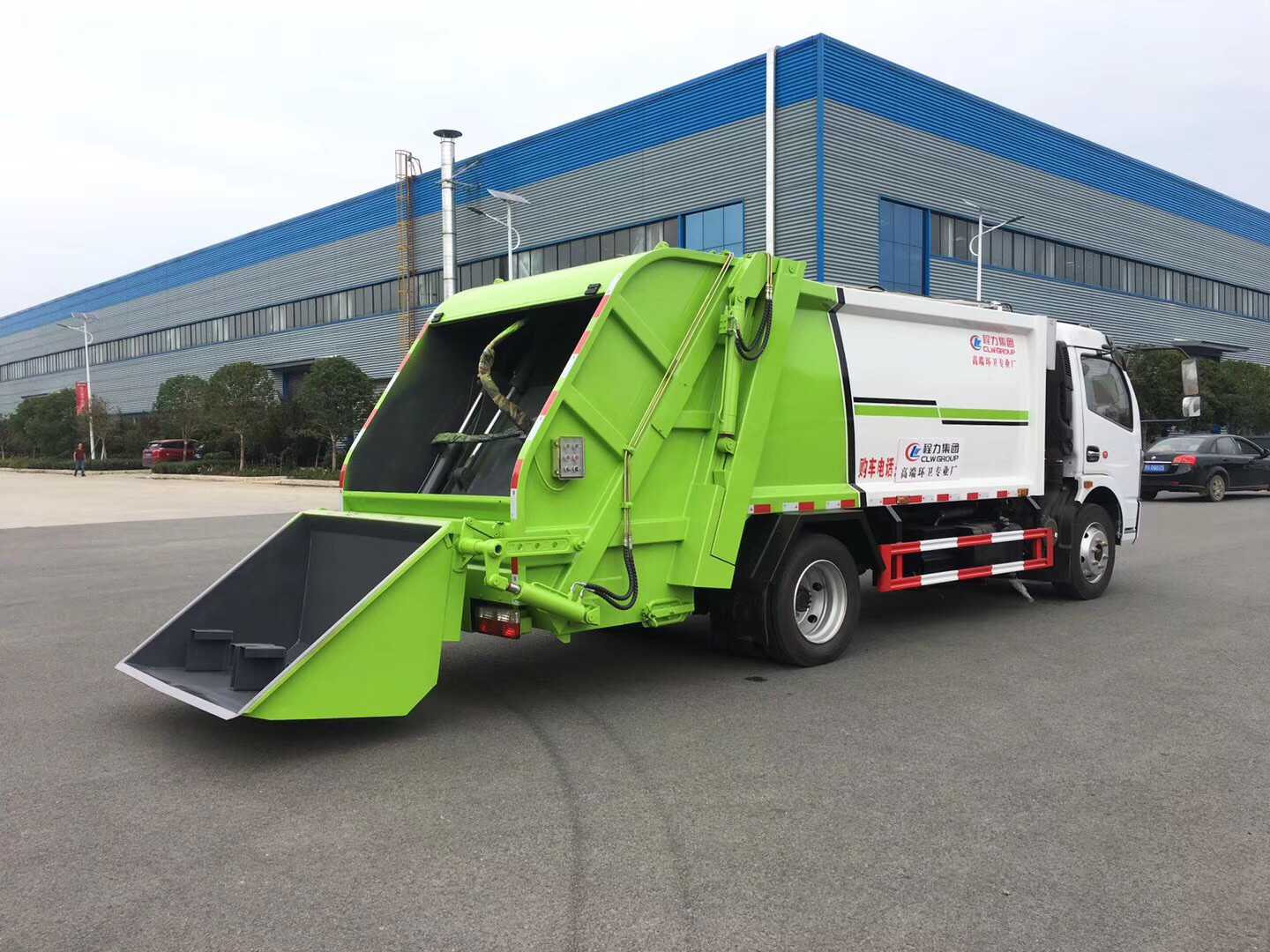
After-Sales Support Advantage: Why Chinese 14-Cubic-Meter Compression Garbage Trucks Outperform in Emerging Markets
2025-12-20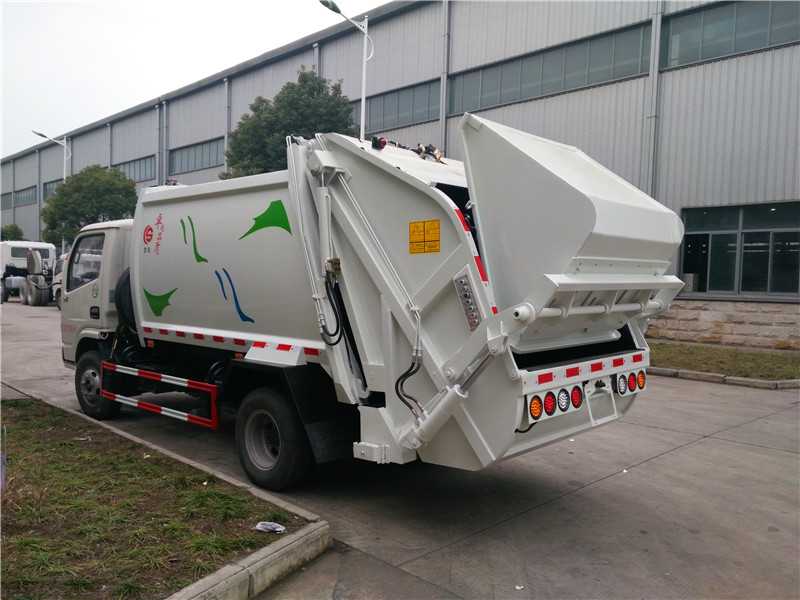
How to Export Blue 3m³ Hook Arm Garbage Truck to Saudi Arabia & UAE: SABER Certification & Customs Guide 2025
2025-12-20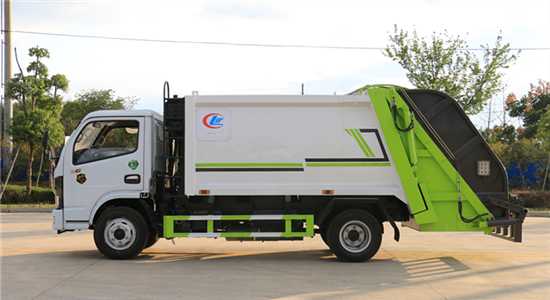
6x4 vs 4x2 Garbage Truck Chassis: Complete Regional Selection Guide
2025-12-20